



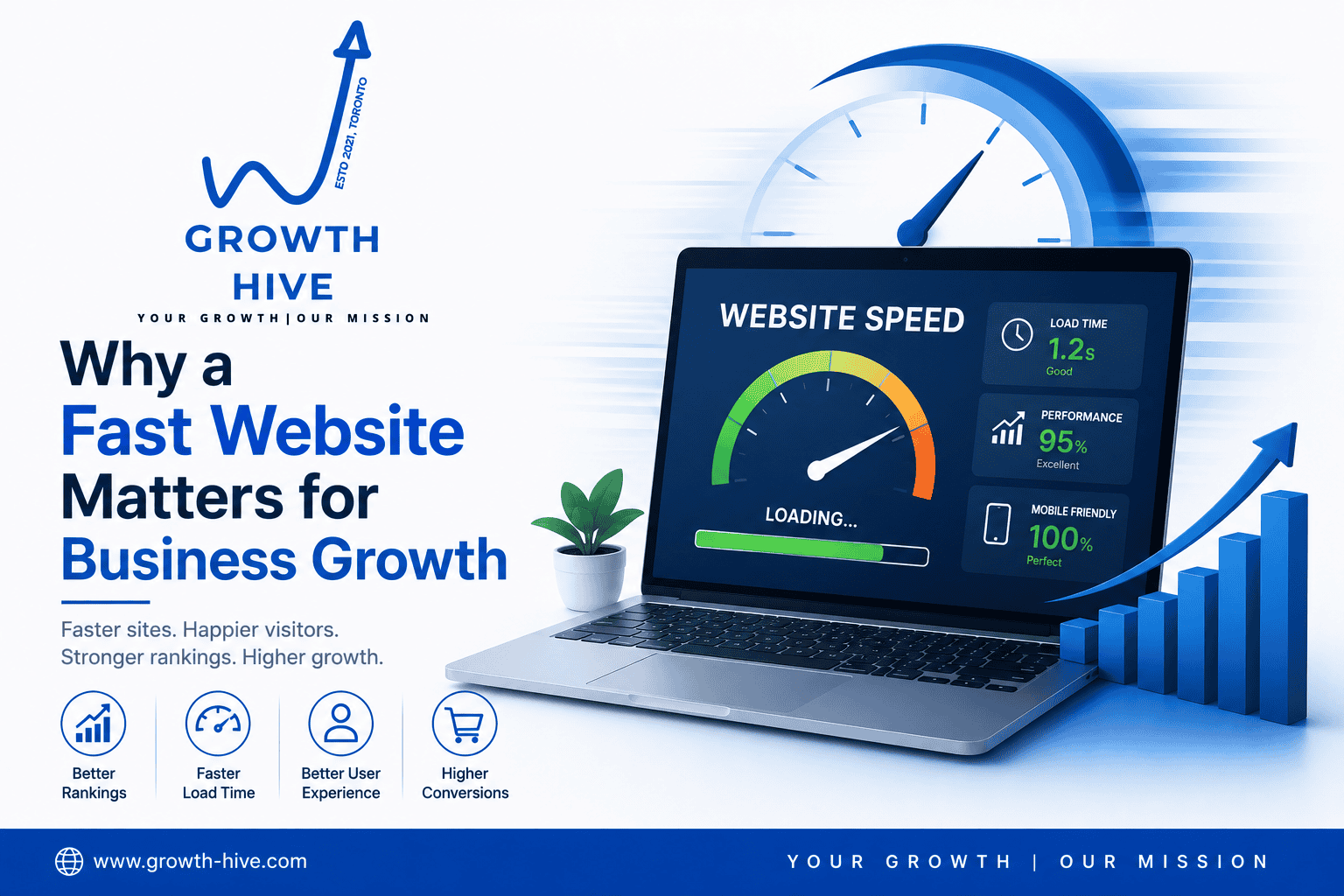
In today’s digital-first world, your website is often the first interaction potential customers have with your business. Whether you’re selling products, offering services, or building brand awareness, your website’s performance directly impacts user experience and business success. One of the most critical factors influencing this experience is website speed.
A fast-loading website does more than keep visitors happy, it improves search engine rankings, increases conversion rates, strengthens customer trust, and drives long-term business growth. In this article, we’ll explore why website speed matters and how investing in website performance can give your business a competitive advantage.
What Is Website Speed?
Website speed refers to how quickly your web pages load and become fully interactive for users. It includes factors such as page load time, server response time, image optimization, and overall website performance across desktop and mobile devices.
Modern users expect websites to load almost instantly. Even a delay of just a few seconds can cause visitors to leave and look elsewhere.
Why Website Speed Is Essential for Business Growth
A fast website doesn’t just improve technical performance; it directly influences customer behavior and business outcomes. Here’s why speed should be a priority for every business.
1. Creates a Better User Experience
User experience is one of the biggest factors determining whether visitors stay on your website or leave.
A fast-loading website allows users to:
- Navigate smoothly.
- Find information quickly.
- Browse products effortlessly.
- Complete purchases without frustration.
When visitors enjoy using your website, they’re more likely to engage with your brand and return in the future.
2. Improves Search Engine Rankings
Website speed is an important ranking factor for search engines. Faster websites provide a better user experience, which search engines reward with improved visibility in search results.
Benefits of faster website performance include:
- Higher organic rankings.
- Increased website traffic.
- Better indexing by search engines.
- Improved visibility for competitive keywords.
Optimizing website speed supports your overall SEO strategy and helps attract more qualified visitors.
3. Increases Conversion Rates
Every second matters when it comes to online conversions. Slow websites often lead to abandoned shopping carts, incomplete forms, and lost sales opportunities.
A faster website helps businesses:
- Increase online sales.
- Generate more leads.
- Improve inquiry submissions.
- Encourage newsletter sign-ups.
- Boost booking and appointment requests.
When users experience fewer delays, they are more likely to complete desired actions.
4. Reduces Bounce Rate
Bounce rate refers to the percentage of visitors who leave a website after viewing only one page.
Slow-loading websites often frustrate visitors, causing them to exit before exploring your content.
By improving page speed, businesses can:
- Keep visitors engaged longer.
- Increase page views.
- Encourage deeper website exploration.
- Improve overall engagement metrics.
Lower bounce rates often lead to stronger business performance over time.
5. Enhances Mobile User Experience
Mobile devices now account for a significant portion of internet traffic. Users expect websites to load quickly regardless of screen size or network connection.
A fast mobile website offers:
- Better usability.
- Improved navigation.
- Faster page rendering.
- Higher mobile conversion rates.
Optimizing for mobile speed ensures businesses can effectively serve customers wherever they are.
6. Builds Customer Trust and Credibility
Website performance reflects your brand’s professionalism. Visitors often associate slow websites with outdated technology or poor customer service.
A fast website creates confidence by demonstrating that your business values customer experience and invests in quality digital infrastructure.
Trust plays a crucial role in encouraging purchases, inquiries, and long-term customer relationships.
7. Maximizes Marketing ROI
Businesses invest heavily in digital marketing through SEO, Google Ads, social media, and email campaigns. However, driving traffic to a slow website reduces the effectiveness of these investments.
A fast website helps maximize marketing performance by:
- Improving landing page conversions.
- Increasing advertising quality scores.
- Reducing visitor abandonment.
- Enhancing campaign performance.
Every marketing campaign performs better when supported by a high-performing website.
Factors That Affect Website Speed
Several technical elements influence website performance, including:
Large Image Files
Unoptimized images increase page load times. Compressing and resizing images significantly improves website speed.
Poor Web Hosting
Low-quality hosting providers often struggle to handle website traffic efficiently. Choosing reliable hosting improves server response times and website stability.
Excessive Plugins
Too many plugins can slow website performance. Regularly reviewing and removing unnecessary plugins helps maintain optimal speed.
Unoptimized Code
Large CSS, JavaScript, and HTML files increase loading times. Minifying and optimizing code improves overall performance.
Lack of Browser Caching
Caching allows returning visitors to load your website faster by storing previously downloaded files.
Best Practices to Improve Website Speed
Businesses can improve website performance by following these proven strategies:
Optimize Images
Use compressed image formats without sacrificing quality.
Enable Browser Caching
Store website assets locally to reduce loading times for repeat visitors.
Use a Content Delivery Network (CDN)
CDNs distribute website content across multiple servers worldwide, improving loading speed for users in different locations.
Minimize HTTP Requests
Reduce unnecessary scripts, fonts, and plugins that increase page loading times.
Upgrade Hosting Services
Invest in reliable, high-performance hosting that can support your website traffic and business growth.
Monitor Website Performance
Regularly test your website using performance monitoring tools to identify and fix speed issues before they affect users.
The Business Impact of a Fast Website
Businesses that prioritize website performance often experience measurable improvements, including:
- Higher search engine rankings.
- Increased website traffic.
- Better user engagement.
- More qualified leads.
- Higher online sales.
- Improved customer satisfaction.
- Greater brand credibility.
- Stronger customer retention.
Website speed is no longer just a technical consideration—it has become a key driver of digital success.
Common Website Speed Mistakes to Avoid
Many businesses unknowingly reduce website performance by making avoidable mistakes such as:
- Uploading oversized images.
- Ignoring mobile optimization.
- Using outdated themes or plugins.
- Choosing low-quality hosting providers.
- Failing to monitor Core Web Vitals.
- Neglecting regular website maintenance.
Avoiding these issues helps maintain consistent website performance and user satisfaction.
Conclusion
A fast website is one of the most valuable investments a business can make. It enhances user experience, improves search engine visibility, increases conversions, and strengthens customer trust. In an increasingly competitive online environment, even small improvements in website speed can deliver significant business results.
Businesses that prioritize website performance position themselves for long-term success by creating seamless digital experiences that attract, engage, and convert customers. If your goal is sustainable business growth, optimizing your website speed should be at the top of your digital marketing strategy.


Leave a Reply